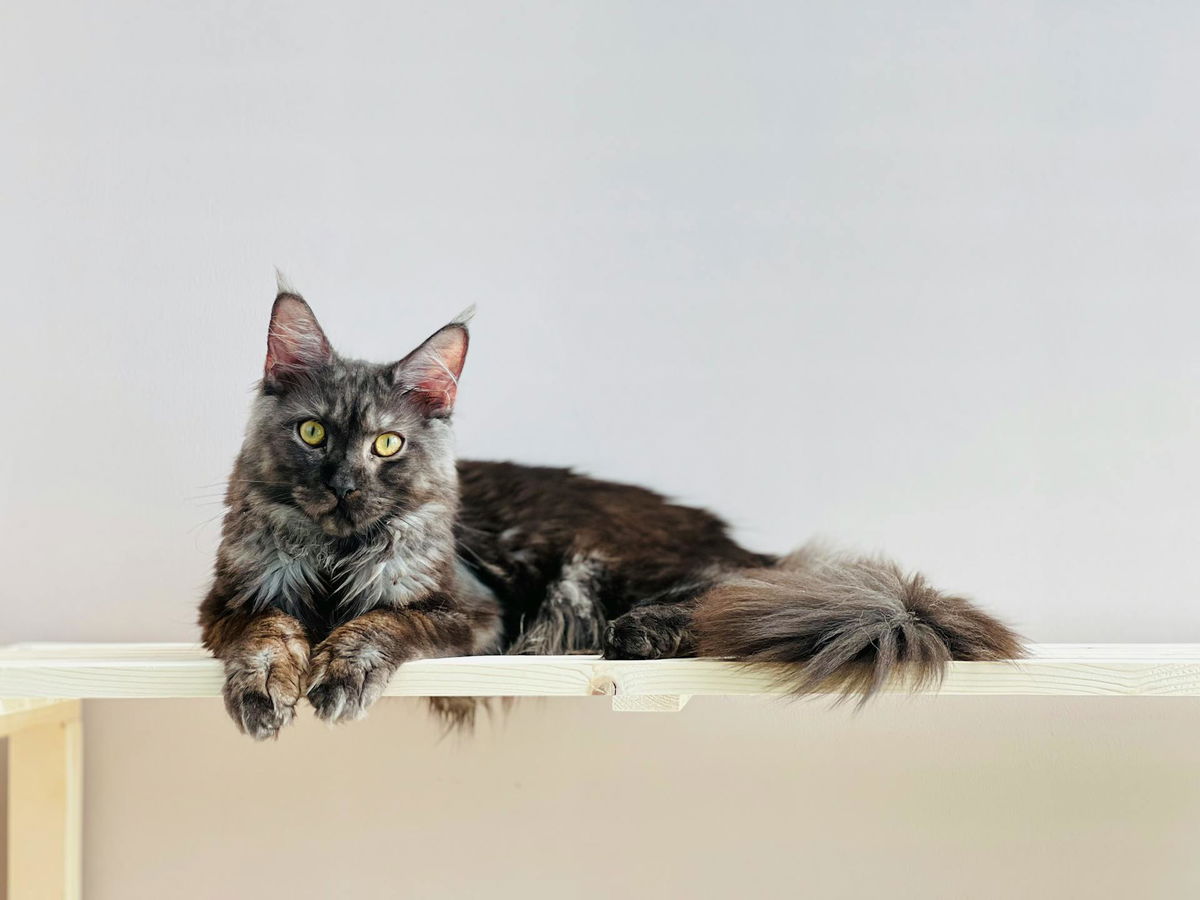
Build Easy DIY Cat Shelves: A Beginner's Guide for Happy Felines
Cats are natural-born explorers and climbers, driven by an innate desire to survey their surroundings from a safe, elevated perch. This instinctual behavior provides them with a sense of security, a prime vantage point for hunting (even if it's just a dust bunny), and a much-needed outlet for their energy. If you've been searching for ways to enhance your feline friend's environment, asking yourself
how to build cat shelves that your cat will love is the perfect starting point. DIY cat shelves offer a fantastic solution, transforming vertical wall space into an engaging, multi-level playground that stimulates your cat mentally and physically, all while freeing up valuable floor space often consumed by bulky cat trees.
Building your own cat shelves isn't just a fun project; it's an opportunity to create a bespoke, enriching habitat perfectly tailored to your cat's unique needs and your home's aesthetic. Forget generic, store-bought options – with a little effort, you can craft durable, attractive, and endlessly entertaining wall-mounted cat furniture that will make your kitty purr with delight.
Why Vertical Space is Vital for Your Feline Friend
Cats thrive in environments that offer complexity and opportunity for exploration. In the wild, climbing is a survival skill, providing refuge from predators and a strategic hunting advantage. While our domesticated companions might not face the same threats, the instinct remains strong. Providing vertical space through DIY cat shelves allows them to:
*
Feel Safe and Secure: A high perch gives cats a sense of control and allows them to observe their "domain" without feeling exposed. This is especially beneficial in multi-pet households or homes with active children.
*
Exercise and Play: Climbing, jumping, and leaping between shelves provides essential physical exercise, helping to prevent obesity and keep muscles toned.
*
Reduce Stress and Conflict: Vertical territories can help diffuse tension between multiple cats, allowing each feline to claim their own preferred elevated spot without direct confrontation.
*
Satisfy Natural Instincts: It caters directly to their primal need to climb, observe, and relax in elevated positions.
Beyond these feline benefits, DIY cat shelves are a boon for pet parents. They are often more budget-friendly than pre-made options, allow for complete customization to match your home decor, and significantly reduce clutter by utilizing wall space instead of floor space.
Gathering Your Tools and Materials: The Foundation of Any Good Cat Shelf
Before you dive into construction, a little preparation goes a long way. The beauty of many DIY cat shelf plans is their simplicity, often requiring only basic tools. Here’s a general list of what you’ll likely need:
*
Measuring Tape and Pencil: For precise marking and cutting.
*
Level: Crucial for ensuring your shelves are straight and stable.
*
Drill/Screwdriver: For making pilot holes and securing screws. An electric drill will make the job much faster.
*
Stud Finder: Absolutely essential for locating wall studs, which provide the strongest anchor points.
*
Saw (Hand Saw or Jigsaw): If you’re cutting your own wood.
*
Sandpaper: To smooth rough edges and prevent splinters.
*
Safety Glasses: Always protect your eyes!
For materials, quality and safety are paramount. Your cats will be jumping, climbing, and sometimes even sleeping on these shelves, so sturdiness is non-negotiable.
*
Wood: Pine, oak, or high-quality plywood (at least 1/2 inch thick) are good choices. Avoid softwoods that might splinter easily. The reference context suggests 18-inch and 24-inch shelves for simplicity, or 12 inches deep and 18 inches wide for a more substantial perch.
*
Sturdy Wall Anchors: This is arguably the most critical component. If you can't hit a stud, use heavy-duty wall anchors rated for at least 50 pounds (or more, if you have multiple or larger cats). Toggle bolts or self-drilling anchors are often good choices for drywall.
*
"L" Brackets or Shelf Supports: Choose brackets appropriate for the depth and weight of your shelves. For deeper shelves, "L" brackets with side lengths at least half the board's depth offer excellent support.
*
Wood Screws: Ensure they are long enough to secure the shelves firmly to the brackets and the brackets to the wall.
*
Traction Material: Cats need grip! Options include carpet squares, sisal rope, or sturdy fabric. These also add a touch of color and comfort.
*
Adhesive: Spray adhesive for fabric/carpet, or wood glue for specific joints.
*
Stain/Paint (Optional): To match your home decor and protect the wood. Ensure any finishes are non-toxic once dry.
Building Basic Cat Shelves: A Beginner-Friendly Approach
For those new to DIY, starting with a simple, robust shelf design is ideal. The reference suggests varying sizes like 18-inch and 24-inch shelves, which are perfect for creating a staggered climbing path.
1.
Measure and Cut Your Shelves: Decide on the dimensions. For a beginner-friendly project, pre-cut lumber from a hardware store can simplify things. If cutting yourself, measure carefully and use a saw to get clean edges.
2.
Smooth and Finish (Optional): Sand all edges to prevent splinters. If desired, apply a non-toxic stain or paint and allow it to dry completely.
3.
Attach Traction Material: Cut carpet squares or fabric to fit the top surface of your shelves. Use spray adhesive to firmly attach them. This not only provides grip but also adds a cozy spot for your cat to nap.
4.
Locate Studs and Mark Placement: Use your stud finder to locate wall studs where you plan to install your shelves. Marking these ensures maximum stability. If studs aren't where you want them, plan to use heavy-duty wall anchors. Use your level to mark perfectly horizontal lines for bracket placement.
5.
Install Brackets: Attach the "L" brackets to the wall, screwing them directly into studs if possible. If not, drill pilot holes and insert your chosen heavy-duty wall anchors before screwing in the brackets. Ensure they are level and securely fastened.
6.
Mount the Shelves: Place your prepared wooden shelves onto the installed brackets. Using wood screws, secure the shelves to the brackets from underneath or through pre-drilled holes in the top of the shelf into the brackets. Ensure a snug, wobble-free fit.
Repeat these steps, spacing shelves appropriately for your cat's agility. A good rule of thumb is to allow enough vertical space for your cat to comfortably jump, but not so much that it becomes a dangerous leap. Staggering shelves also creates a more natural climbing path.
Adding Flair and Functionality: Beyond the Basic Perch
Once you've mastered the basic shelf, you can expand your project to include more elaborate designs, creating truly unique feline wall furniture. This is where you can truly show
how to build cat shelves that your cat will love, integrating elements that cater to their specific play and comfort needs.
*
Mural Magic: Paint a captivating mural or pattern directly onto the wall around your shelves. This creates a cohesive "cat corner" that blends seamlessly with your interior design, as suggested by the optimized design reference.
*
Deep Shelves for Lounging: Utilize deeper wooden boards (like the 12-inch deep, 18-inch wide suggestion) with sturdy "L" brackets. These provide ample space for a cat to stretch out, lounge, or curl up for a nap. Remember to secure these large shelves directly into studs using heavy-duty hardware.
*
Climbing Wall with Sisal Steps: Elevate the climbing experience by incorporating sisal-wrapped steps. The reference context mentions using spruce wood steps (e.g., 7x4 cm and 26 cm deep, with a 9.5x9.5 cm back step). Wrapping these with 8mm thick sisal rope provides excellent grip and doubles as a scratching surface. These can connect larger shelves, creating a true vertical playground. Learn more about creative cat shelf ideas in our article:
Transform Your Walls: Creative Cat Shelf Ideas for Every Style.
Integrated Play: Combining Shelves with Scratching Posts
Cats love to scratch – it’s a vital part of their health and well-being. By integrating a scratching post into your wall shelf design, you provide a dual-purpose feature that saves space and caters to natural instincts. The rustic-looking project from the reference context is a fantastic example.
*
Materials: Pine boards (1" x 12" x 8'), a substantial post (6" x 6" x 8'), 100 feet of 3/8" natural sisal rope, and indoor/outdoor recycled carpet.
*
Construction: Cut and sand your pine boards to varying lengths, creating your shelves. You can stain them for aesthetics. Cut a hole in one shelf to allow for alternative access or a pass-through to the scratching post below. Attach the shelves to the wall using 24 black steel L-corner brace brackets, ensuring sturdy spacing for cat mobility. Finally, wrap the large post with sisal rope, leaving some wood exposed for a rustic look. Secure the sisal tightly with a nail at the beginning and end, or by firmly gluing it down.
This design offers both climbing surfaces and an essential scratching outlet, making it a complete activity center for your cat.
Budget-Friendly Hacks: Repurposing for Your Feline
Not everyone has a workshop full of woodworking tools, and that's perfectly fine! You can still create amazing cat shelves on a budget and with minimal DIY experience.
*
IKEA Lack Shelf Hack: The reference highlights the simplicity of repurposing IKEA Lack shelves. These lightweight, affordable shelves can be transformed into cozy cat perches with ease. The main step is to cover their surfaces with carpeting. This adds traction and comfort, preventing slips. Simply cut carpet to size and attach it with spray adhesive, staples, or even strong double-sided tape.
*
Other Repurposed Items: Look for sturdy wooden crates, old bookshelves, or even robust cutting boards that can be adapted. The key is to ensure they are clean, safe, and can be securely mounted to the wall. This approach is fantastic for those looking to maximize playtime and space, even on a budget, as discussed in detail in our related article:
DIY Cat Shelves: Maximize Playtime & Space, Even on a Budget.
Safety First: Crucial Considerations for Your Feline Friend
Regardless of the design you choose, safety must be your top priority.
*
Anchor Securely: Always use a stud finder and anchor shelves directly into wall studs whenever possible. If not, use heavy-duty wall anchors rated for significantly more than your cat's weight (e.g., 50 lbs+).
*
Test Weight Bearing: Before letting your cat on the shelves, apply your own weight (carefully!) or a heavy object to ensure they are stable and can withstand your cat's jumping and playing.
*
Smooth Edges: Sand all wooden edges thoroughly to prevent splinters or injuries.
*
Non-Toxic Materials: Ensure any paints, stains, glues, or fabrics are non-toxic and safe for pets once cured and dry.
*
Appropriate Spacing: Design the layout with your cat's agility in mind. Ensure enough space for comfortable jumping but not so much that a fall could be dangerous. Consider exit routes, especially in multi-cat homes.
*
Regular Inspections: Periodically check all screws, brackets, and anchors for signs of loosening or wear and tear. Tighten or replace as needed.
Conclusion
Building DIY cat shelves is a rewarding project that combines your creativity with your love for your feline companion. By following these guidelines and drawing inspiration from the various design ideas, you'll be well on your way to crafting a stimulating, safe, and stylish vertical playground that your cat will adore. From simple carpeted perches to intricate climbing walls with integrated scratching posts, the possibilities are endless. So, grab your tools, let your imagination run wild, and get ready to see your happy cat explore their brand-new, custom-built domain!